The Importance of Native Plants in Our Ecosystems
By: Arjun Kushwaha 10 Aug 2024 17:18:24
Native plants are the foundation of local ecosystems, having evolved over thousands of years to adapt to the specific climate, soil, and wildlife of a region. Unlike exotic or non-native species, native plants are deeply intertwined with the local environment, playing a crucial role in maintaining biodiversity, supporting wildlife, and promoting ecological balance.
What Are Native Plants?
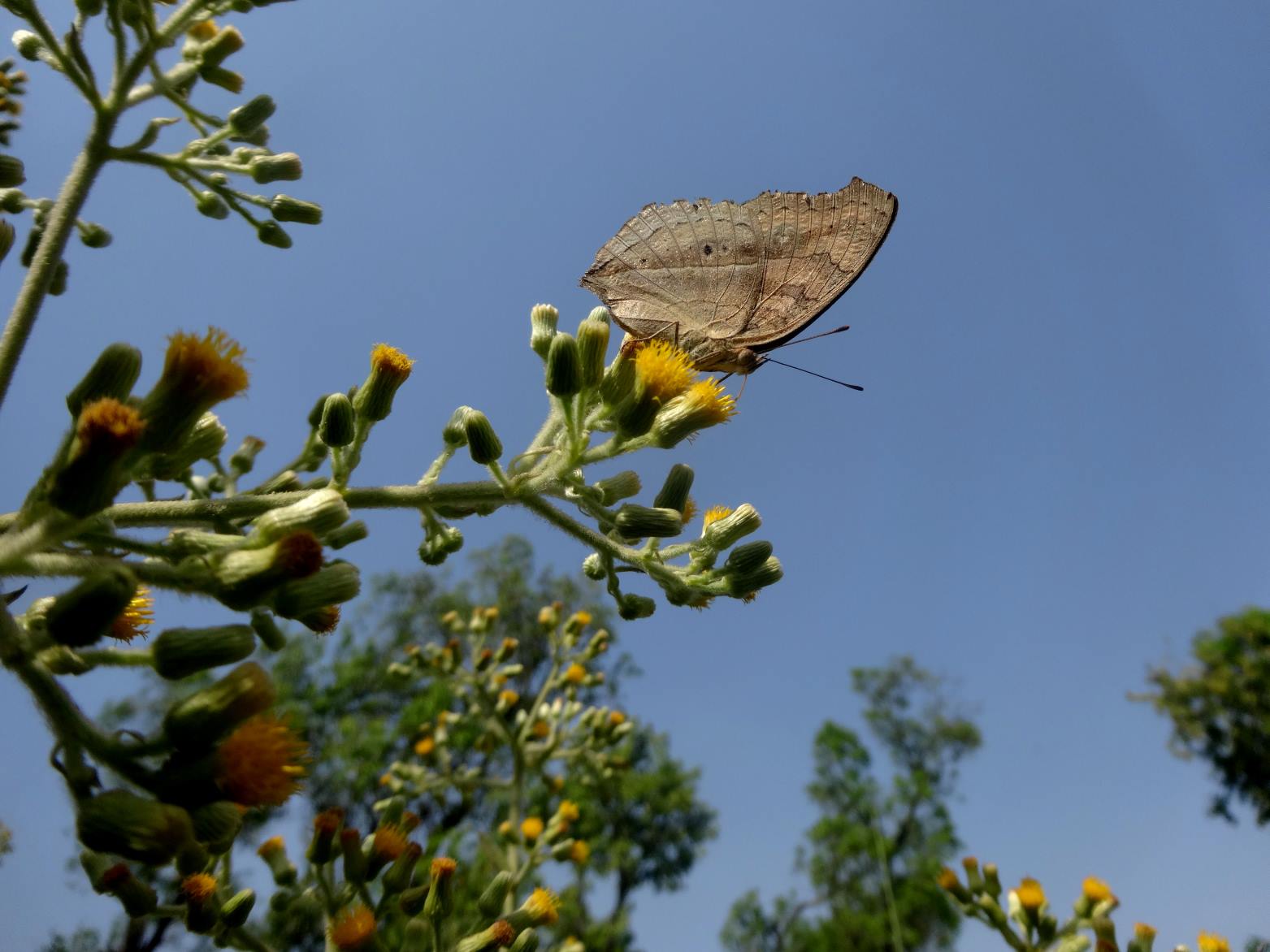
Native plants are species that occur naturally in a particular region, ecosystem, or habitat without human introduction. These plants have co-evolved with the local fauna, fungi, and other flora, forming complex, interdependent relationships. For example, the Monarch butterfly depends on milkweed, a native plant, for laying its eggs and feeding its larvae. This symbiotic relationship underscores the importance of preserving native plant species.
Benefits of Native Plants
-
Biodiversity Support: Native plants provide essential resources such as nectar, seeds, and shelter to local wildlife, including birds, insects, and mammals. By planting native species, we can help sustain these populations, which are often threatened by habitat loss and the spread of invasive species.
-
Low Maintenance: Because native plants are adapted to the local environment, they require less water, fertilizer, and pesticides compared to non-native species. This makes them an excellent choice for sustainable gardening and landscaping, reducing the need for chemical inputs and conserving resources.
-
Soil Health: Native plants contribute to soil health by promoting soil structure, increasing organic matter, and preventing erosion. Their deep root systems help maintain soil stability and support water infiltration, reducing runoff and improving water quality.
-
Climate Resilience: Native plants are naturally resilient to local climatic conditions, including droughts, floods, and temperature extremes. By incorporating these species into landscapes, we can create more resilient ecosystems that are better able to withstand the impacts of climate change.
-
Cultural and Aesthetic Value: Native plants are often an integral part of a region's cultural heritage, used by indigenous peoples for food, medicine, and ceremonial purposes. They also enhance the aesthetic value of natural landscapes, providing a sense of place and connection to the local environment.
Challenges to Native Plants
Despite their importance, native plants face numerous threats, including habitat destruction, climate change, and the introduction of invasive species. Urbanization and agricultural expansion have led to significant loss of native plant habitats, while invasive species often outcompete native plants for resources, leading to declines in native biodiversity.
Climate change further exacerbates these challenges by altering the conditions that native plants rely on, such as temperature, precipitation patterns, and the timing of seasonal events. As a result, many native species are at risk of becoming endangered or extinct.
How to Support Native Plants
-
Plant Native Species: Incorporate native plants into your garden or landscape to support local ecosystems. Choose species that are well-suited to your region's climate and soil conditions.
-
Avoid Invasive Species: Refrain from planting invasive species that can outcompete native plants. Learn about local invasive species and work to remove them from your property.
-
Promote Habitat Restoration: Support or participate in local habitat restoration projects that aim to reintroduce native plants and restore natural ecosystems.
-
Educate Others: Raise awareness about the importance of native plants and the threats they face. Encourage friends, family, and community members to value and protect native biodiversity.
Conclusion
Native plants are vital to the health and sustainability of our ecosystems. By understanding their importance and taking steps to protect and promote them, we can help preserve biodiversity, support local wildlife, and create resilient landscapes that benefit both people and the planet.