Lipid
By: SNEHA SINGH 02 Feb 2025 10:10:16
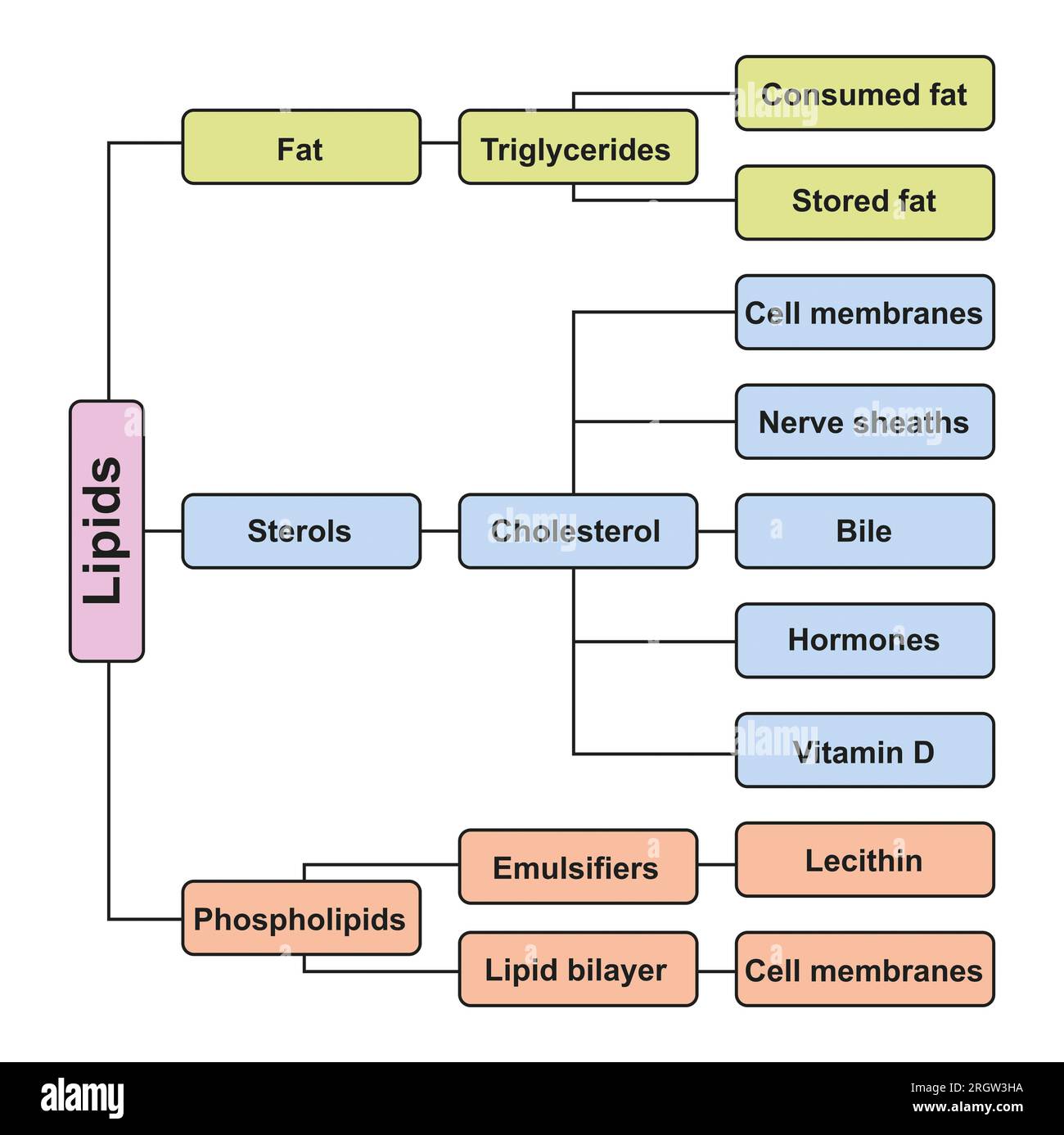
Lipids
1. Importance of Lipids
- Energy storage (high caloric value)
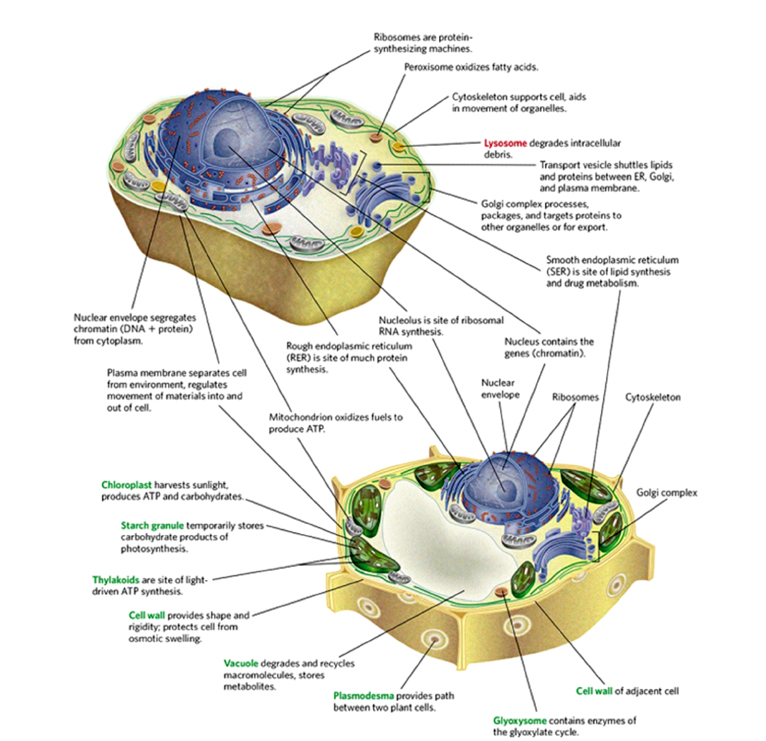
- The structural component of cell membranes
- Insulation and protection
- Precursor for hormones (steroids, prostaglandins)
- Role in signaling and metabolism
2. Classification of Lipids
A. Simple Lipids
- Fats & Oils (Triglycerides) – Esters of fatty acids with glycerol
- Waxes – Esters of fatty acids with long-chain alcohols
B. Complex Lipids
- Phospholipids – Contain phosphate group (e.g., phosphatidylcholine)
- Glycolipids – Contain sugar residues (e.g., cerebrosides, gangliosides)
C. Derived Lipids
- Steroids (cholesterol)
- Fatty acids
- Fat-soluble vitamins (A, D, E, K)
3. Structure & Properties of Fatty Acids
- Structure: Long hydrocarbon chains with a carboxyl (-COOH) group
- Saturation:
- Saturated Fatty Acids (SFA) – No double bonds (e.g., palmitic acid)
- Unsaturated Fatty Acids (UFA) – One or more double bonds (e.g., oleic acid)
- Essential Fatty Acids: Cannot be synthesized (e.g., linoleic & α-linolenic acid)
- Properties:
- Longer chains → Higher melting point
- More double bonds → Lower melting point, more fluidity
4. Storage Lipids
- Triacylglycerols (Triglycerides)
- Three fatty acids + Glycerol backbone
- Primary energy reserve in animals
- Stored in adipose tissue
- Insoluble in water
5. Membrane Lipids
- Phospholipids
- Glycerophospholipids (e.g., lecithin)
- Sphingophospholipids (e.g., sphingomyelin)
- Glycolipids (Carbohydrate + Lipid, e.g., cerebrosides)
- Cholesterol
- Provides rigidity to membranes
- Precursor for steroids