Protien
By: SNEHA SINGH 02 Feb 2025 10:18:36
Proteins
1. Importance of Proteins
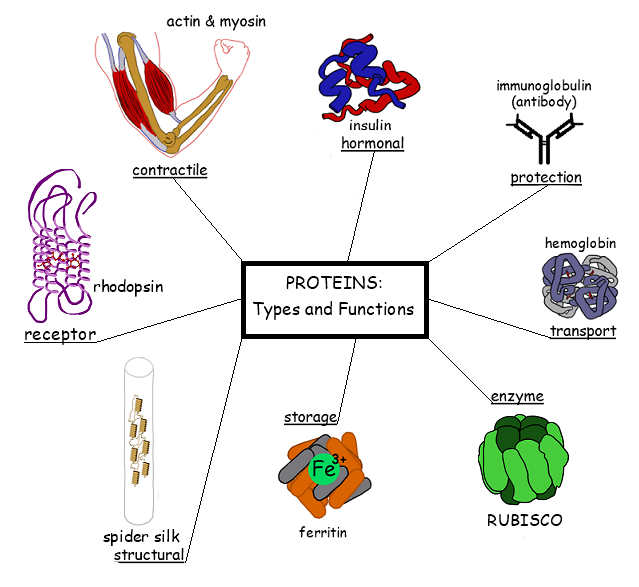
- Structural Role – Collagen, keratin (skin, hair, nails)
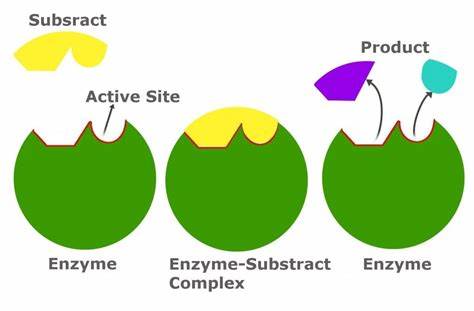
- Enzymatic Function – Catalyze biochemical reactions (e.g., amylase)
- Transport & Storage – Hemoglobin (O? transport), ferritin (iron storage)
- Defense & Immunity – Antibodies (immune response)
- Signaling & Regulation – Hormones (insulin, glucagon)
- Movement – Actin, myosin (muscle contraction)
2. Classification of Proteins
A. Based on Structure
- Fibrous Proteins – Structural, insoluble (e.g., collagen, keratin)
- Globular Proteins – Functional, soluble (e.g., enzymes, hemoglobin)
B. Based on Composition
- Simple Proteins – Only amino acids (e.g., albumin)
- Conjugated Proteins – Amino acids + prosthetic group (e.g., glycoproteins, hemoproteins)
C. Based on Function
- Structural (collagen)
- Enzymes (lipase)
- Hormonal (insulin)
- Transport (hemoglobin)
- Defense (antibodies)
3. Amino Acids: Structure, Titration & Zwitterion Nature
- Basic Structure: Central α-carbon, amino (-NH?), carboxyl (-COOH), hydrogen, and R-group (side chain)
- Titration:
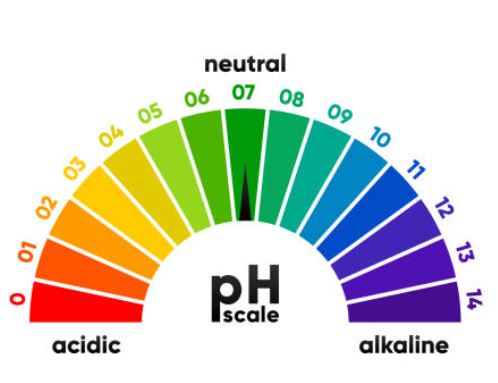
- At low pH: Protonated form (+ve charge)
- At high pH: Deprotonated form (-ve charge)
- Isoelectric point (pI): pH where net charge = 0
- Zwitterion Nature:
- Exists as a dipolar ion with both + and - charges in neutral pH
4. Structural Organization of Proteins
A. Primary Structure
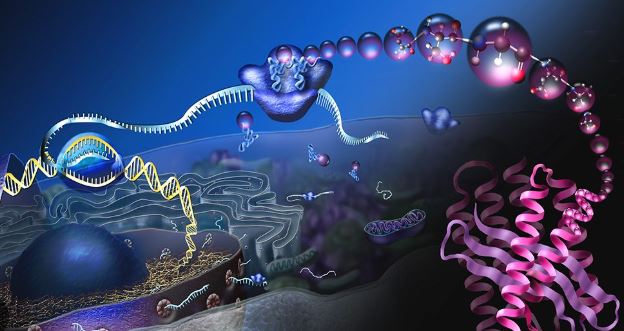
- Linear sequence of amino acids
- Held by peptide bonds
B. Secondary Structure
- α-Helix – Coiled structure stabilized by H-bonds
- β-Pleated Sheet – Sheet-like structure stabilized by H-bonds
C. Tertiary Structure
- 3D folding due to hydrogen bonds, ionic bonds, hydrophobic interactions, disulfide bonds
D. Quaternary Structure
- Multiple polypeptide chains forming a functional protein (e.g., hemoglobin)