Rainy Season Diseases and Their Treatments
By: Arjun Kushwaha 02 Sep 2024 20:08:30
The rainy season brings relief from the scorching summer heat, but it also brings a host of diseases and infections due to increased humidity, stagnant water, and a surge in mosquito breeding. These conditions create a breeding ground for bacteria, viruses, and other pathogens, making people more susceptible to various illnesses. In this blog, we will discuss some common rainy season diseases and their treatments.
1. Dengue Fever
Dengue fever is a mosquito-borne viral infection caused by the *Aedes aegypti* mosquito. It is characterized by high fever, severe headache, joint and muscle pain, rashes, and bleeding tendencies.
Symptoms:
- High fever
- Severe headaches
- Pain behind the eyes
- Joint and muscle pain
- Nausea and vomiting
- Skin rashes
Treatment:
- There is no specific antiviral treatment for dengue fever. The primary approach is supportive care:
- Maintain adequate hydration by drinking plenty of fluids.
- Use pain relievers like paracetamol to reduce fever and alleviate pain.
- Avoid non-steroidal anti-inflammatory drugs (NSAIDs) like aspirin, as they can increase the risk of bleeding.
- Seek medical attention if symptoms worsen, especially in cases of dengue hemorrhagic fever.
2.Malaria
Malaria is another mosquito-borne disease caused by *Plasmodium* parasites, transmitted through the bite of an infected *Anopheles* mosquito. Malaria is characterized by fever, chills, and sweating, often in cycles.
Symptoms:
- High fever with chills
- Profuse sweating
- Headache
- Muscle pain
- Fatigue
- Nausea and vomiting
Treatment:
- Antimalarial medications are prescribed based on the type of malaria parasite, severity, and region of infection.
- Common drugs include chloroquine, artemisinin-based combination therapies (ACTs), and quinine.
- Hospitalization may be required in severe cases for intravenous medications and supportive care.
- Early diagnosis and treatment are crucial to prevent complications.
3.Chikungunya
Chikungunya is a viral infection spread by *Aedes* mosquitoes, primarily characterized by severe joint pain and fever. The symptoms are similar to dengue, making diagnosis difficult without proper testing.
Symptoms:
- Sudden high fever
- Severe joint pain (arthralgia)
- Muscle pain
- Headache
- Fatigue
- Rash
Treatment:
- There is no specific antiviral treatment for chikungunya; treatment focuses on relieving symptoms.
- Use of analgesics like paracetamol to reduce pain and fever.
- Adequate rest and hydration.
- Avoiding NSAIDs until dengue is ruled out due to the risk of bleeding complications.
4.Typhoid Fever
Typhoid fever is a bacterial infection caused by *Salmonella typhi* through contaminated food and water. It is prevalent in the rainy season due to poor sanitation and hygiene.
Symptoms:
- Prolonged high fever
- Weakness and fatigue
- Abdominal pain
- Headache
- Loss of appetite
- Diarrhea or constipation
Treatment:
- Antibiotics like ciprofloxacin, ceftriaxone, or azithromycin are the mainstay of treatment.
- Adequate hydration and rest are crucial.
- Maintaining proper hygiene and avoiding contaminated food and water are essential preventive measures.
5.Leptospirosis
Leptospirosis is a bacterial infection caused by *Leptospira* bacteria, transmitted through contact with contaminated water, especially during floods. It affects the skin, liver, kidneys, and other organs.
Symptoms:
- High fever and chills
- Severe headache
- Muscle pain
- Red eyes
- Vomiting and diarrhea
- Jaundice
Treatment:
- Antibiotics such as doxycycline or penicillin are effective in treating leptospirosis.
- Severe cases may require hospitalization and intravenous antibiotics.
- Early treatment can prevent complications like kidney damage, meningitis, or respiratory distress.
6.Common Cold and Flu
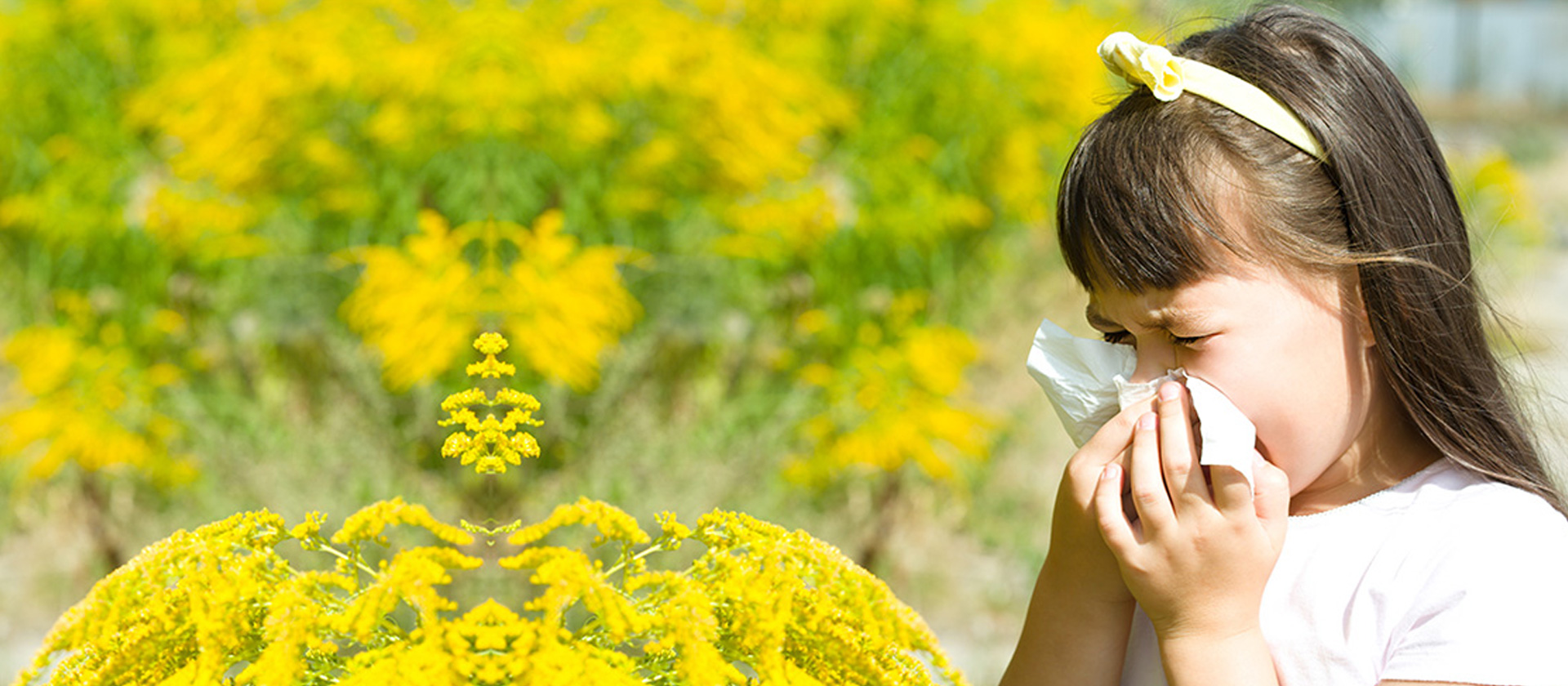
The common cold and flu are viral infections that are highly prevalent during the rainy season due to fluctuating temperatures and humidity.
Symptoms:
- Runny or stuffy nose
- Sore throat
- Cough
- Fever
- Body aches
- Fatigue
Treatment:
- Over-the-counter medications like antihistamines, decongestants, and cough syrups can help relieve symptoms.
- Staying hydrated, getting adequate rest, and consuming warm fluids can alleviate discomfort.
- Avoid self-medication with antibiotics, as colds and flu are viral infections.
7.Gastrointestinal Infections
The rainy season often sees a rise in gastrointestinal infections like gastroenteritis, cholera, and hepatitis A, mainly due to the consumption of contaminated food and water.
Symptoms:
- Diarrhea or loose stools
- Abdominal pain and cramping
- Nausea and vomiting
- Fever
- Dehydration
Treatment:
- Oral Rehydration Solution (ORS) is essential to prevent dehydration.
- Antibiotics may be prescribed in bacterial infections.
- Avoiding street food, ensuring safe drinking water, and maintaining proper hygiene are preventive measures.
Prevention Tips for Rainy Season Diseases
1. Prevent Mosquito Breeding:
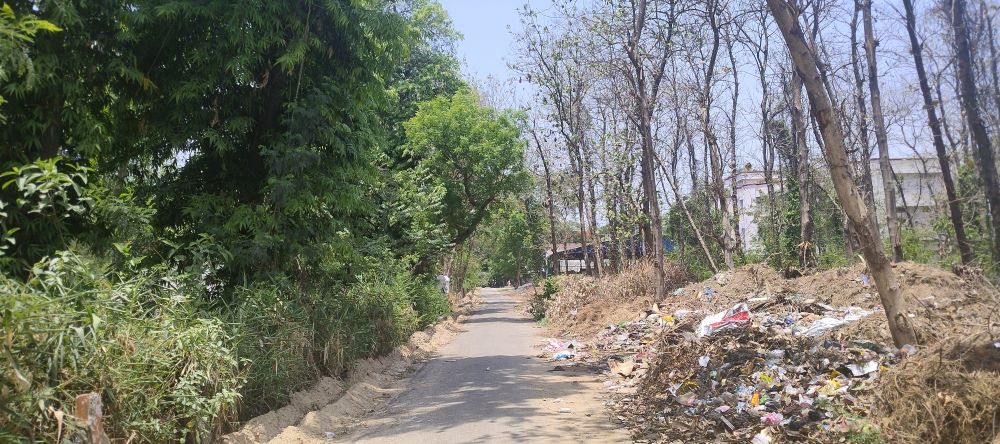
Ensure there is no stagnant water around your home. Use mosquito repellents and nets.
2. Maintain Hygiene:
Wash hands regularly, especially before meals and after using the toilet.
3. Eat Fresh and Hygienic Food:
Avoid street food and consume freshly cooked meals.
4. Boil or Purify Water:
Always drink boiled or purified water to avoid waterborne diseases.
5. Stay Dry and Warm:
Avoid getting wet in the rain, and if you do, change into dry clothes immediately.
Conclusion
While the rainy season brings much-needed relief, it also poses health risks. Being aware of the common diseases and their treatments can help in early detection and effective management. Prevention is always better than cure, so follow hygienic practices, maintain a healthy diet, and take precautions to stay safe and healthy during the monsoons.