COLD WEATHER AND HEART DISEASE
By: Arjun Kushwaha 25 Jul 2024 17:43:34
Cold Weather and Heart Disease: What You Need to Know-As the cold weather sets in, many people find themselves bundling up to protect against the chill. But did you know that the winter months can also have a significant impact on heart health? The relationship between cold temperatures and heart disease is well-documented, and it’s important to understand how cold weather can put your heart at risk.
How Cold Affects the Heart
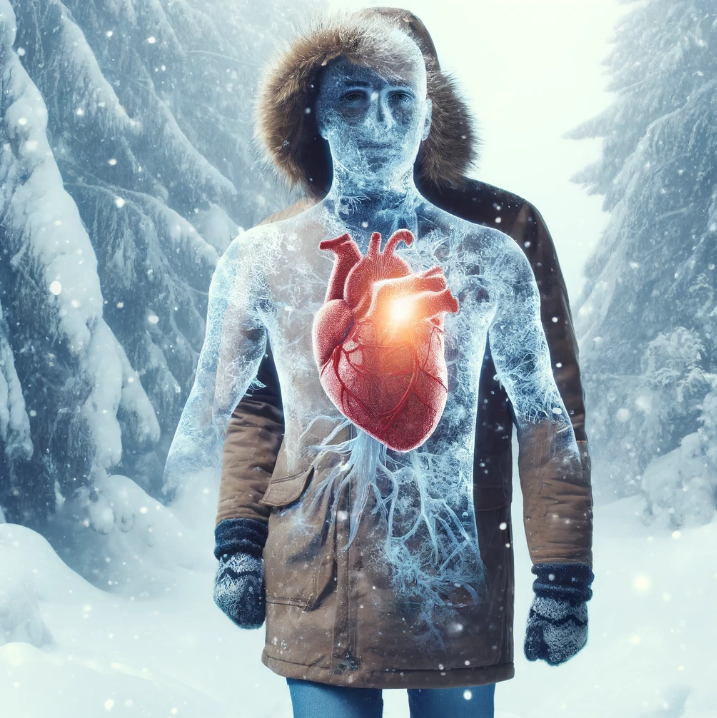
When temperatures drop, your body works harder to maintain its core temperature. Cold weather causes blood vessels to constrict, which increases blood pressure. For people with pre-existing heart conditions, this extra strain can lead to serious complications, including heart attacks.
Here are some key factors to be aware of:
- Increased Blood Pressure: The cold causes your blood vessels to narrow, making your heart work harder to pump blood. This can elevate your blood pressure, increasing the risk of heart-related issues.
- Increased Risk of Heart Attack: Studies have shown that heart attacks are more common during colder months. This is due to the added stress on the heart from increased blood pressure and the body’s efforts to stay warm.
- Hypothermia: For individuals with heart disease, hypothermia — a condition where the body’s temperature drops too low — can be particularly dangerous. Hypothermia can slow the heart rate and affect the body’s ability to circulate blood effectively.
- Strenuous Activities: Shoveling snow, walking through deep snow, or even carrying heavy loads in cold weather can overexert your heart. People with heart disease should be cautious about physical activities in winter.
Tips for Protecting Your Heart in Cold Weather
- Stay Warm: Wear multiple layers of clothing, and don’t ignore hats and gloves, as heat can escape through your head and extremities.
- Avoid Overexertion: Be mindful of physical activity, especially shoveling snow or other strenuous tasks in cold conditions.
- Monitor Blood Pressure: Keep an eye on your blood pressure, particularly if you have hypertension or a history of heart disease.
- Stay Indoors During Extreme Cold: If the temperature drops too low, it’s best to stay indoors or minimize exposure to the cold as much as possible.
Final Thoughts
While winter brings festive times and the beauty of snow, it also poses hidden risks to your heart. If you or someone you know has heart disease or is at risk, taking precautions can help prevent dangerous complications. Stay warm, be cautious, and listen to your body.