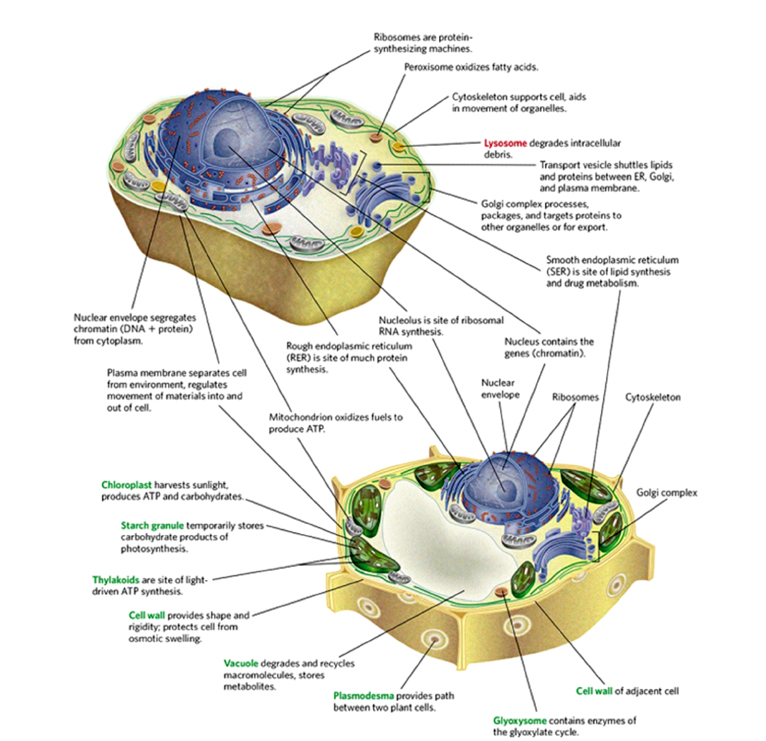
Structure of the cell
By: 03 Jan 2025 21:09:07
Structure of the Cell: Notes
Cells are the basic structural and functional units of life. All living organisms are made up of cells, which vary in structure and function. There are two primary types of cells: Prokaryotic and Eukaryotic cells.
1. Prokaryotic Cells
-
Example Organisms: Bacteria, Archaea
-
Key Features:
-
Lack of a nucleus; genetic material (DNA) is found in the nucleoid region.
-
They have a plasma membrane (cell membrane) but no membrane-bound organelles.
-
Ribosomes are present but are smaller than those in eukaryotes.
-
Usually have a cell wall for protection and structure (e.g., peptidoglycan in bacteria).
-
Flagella and pili may be present for movement and attachment.
-
Cytoplasm is where cellular processes occur.
-
2. Eukaryotic Cells
-
Example Organisms: Animals, plants, fungi, protists
-
Key Features:
-
Have a true nucleus that contains genetic material (DNA).
-
Contain membrane-bound organelles (e.g., mitochondria, endoplasmic reticulum, Golgi apparatus, etc.).
-
Larger and more complex than prokaryotic cells.
-
The plasma membrane is present, and some cells (like plant cells) also have a cell wall.
-
Ribosomes are present, but they are larger than in prokaryotes.
-
Cytoplasm contains all the organelles and structures.
-
3. Key Components of Eukaryotic Cells
A. Nucleus
-
Contains chromatin (DNA and proteins), which condenses into chromosomes during cell division.
-
Surrounded by a nuclear membrane/envelope, with nuclear pores for transport of materials.
-
The nucleolus within the nucleus is responsible for ribosome synthesis.
B. Plasma Membrane
-
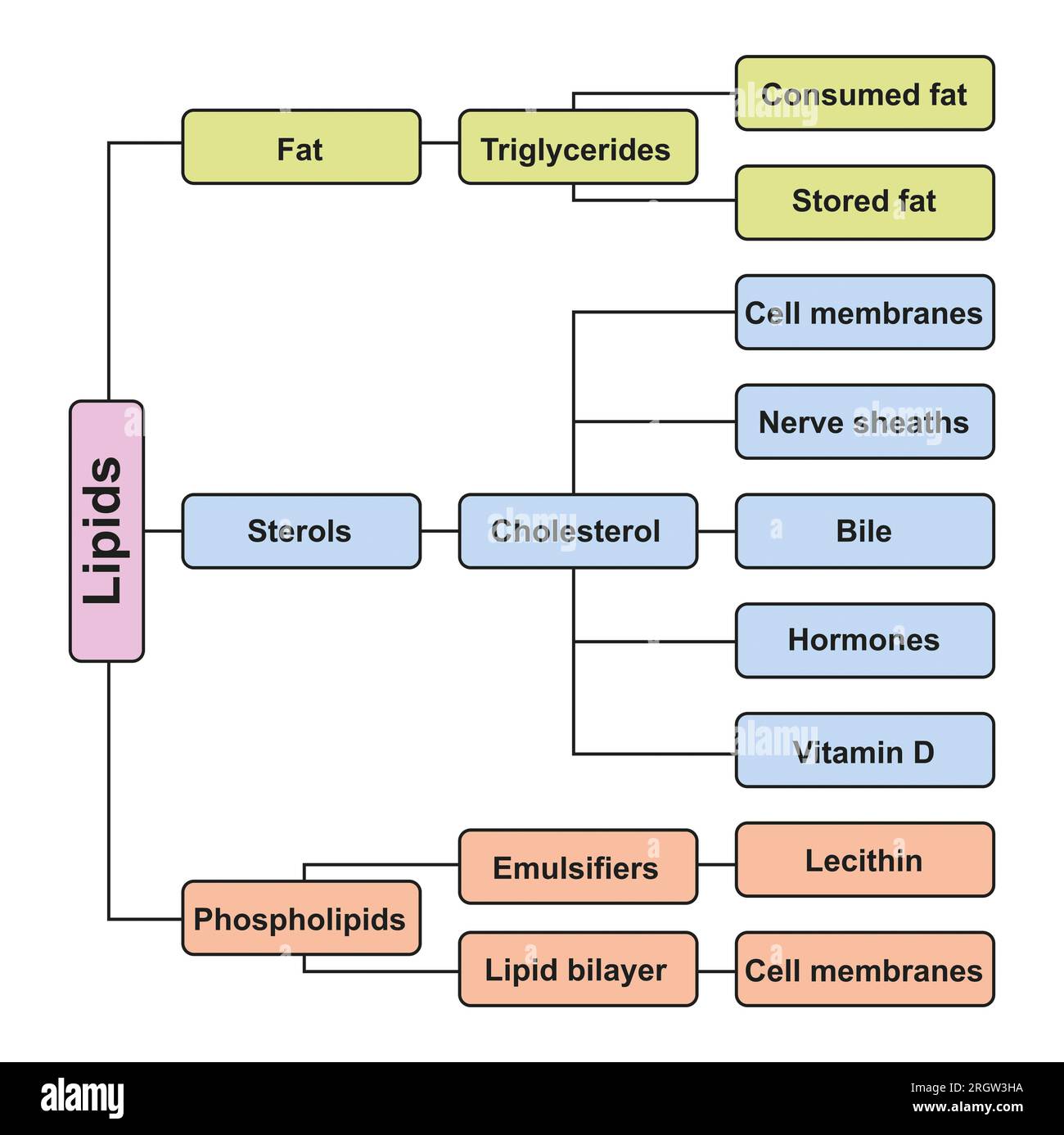
Structure: Composed of a phospholipid bilayer with embedded proteins.
-
Function: Regulates the movement of substances into and out of the cell, provides structure and communication between cells.
-
Fluid Mosaic Model: Describes the flexible and dynamic nature of the membrane.
C. Cytoplasm
-
The jelly-like substance within the cell where cellular processes occur.
-
Contains various organelles, cytosol (fluid component), and cytoskeleton.
D. Ribosomes
-
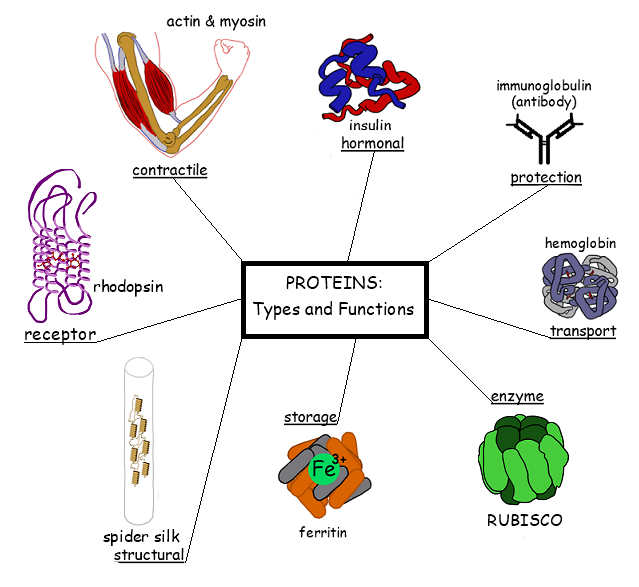
Structure: Composed of RNA and proteins; found either floating freely in the cytoplasm or attached to the rough endoplasmic reticulum (RER).
-
Function: Protein synthesis.
E. Endoplasmic Reticulum (ER)
-
Rough ER (RER): Studded with ribosomes. Involved in protein synthesis and modification.
-
Smooth ER (SER): Lacks ribosomes. Involved in lipid synthesis, detoxification, and calcium storage.
F. Golgi Apparatus
-
Structure: Stacks of membrane-bound sacs.
-
Function: Modifies, sorts, and packages proteins and lipids for transport within or outside the cell.
G. Mitochondria
-
Structure: Double membrane, inner membrane folded into cristae.
-
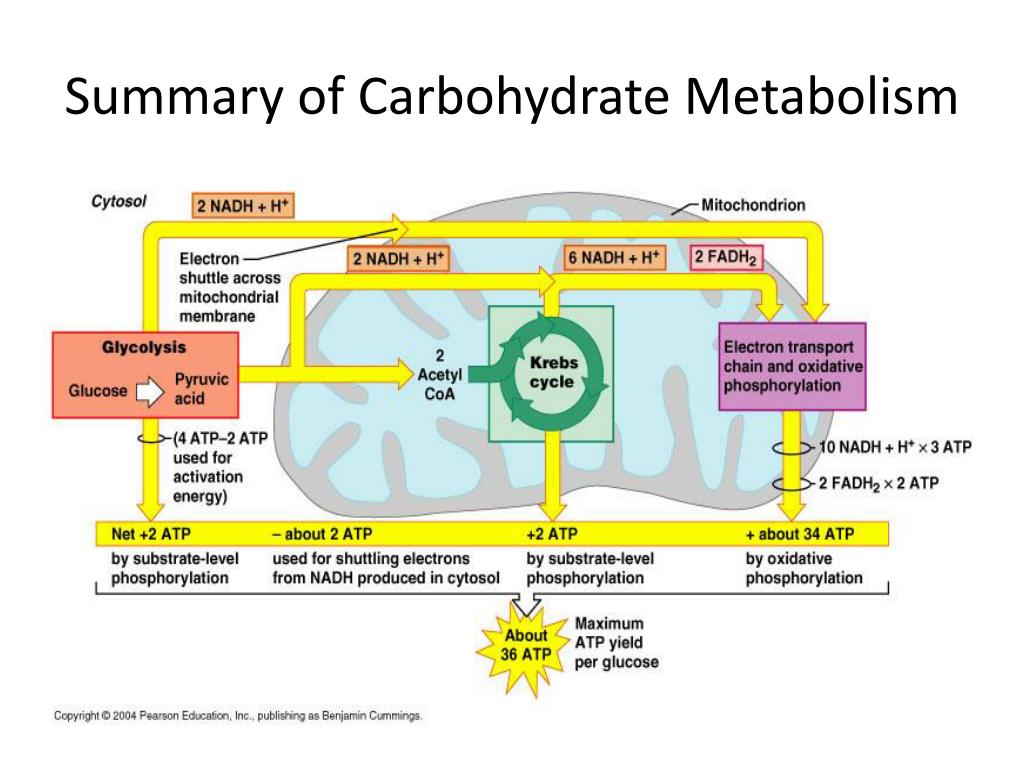
Function: ATP production through cellular respiration (the
energy powerhouse of the cell).
-
Contains its DNA and ribosomes (supports the endosymbiotic theory).
H. Lysosomes
-
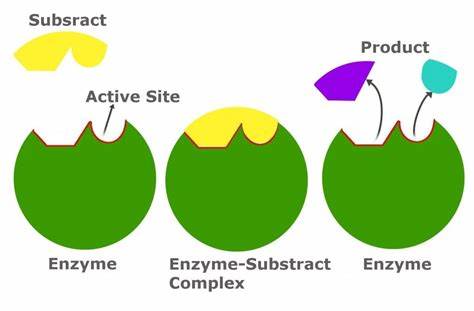
Structure: Membrane-bound vesicles containing digestive enzymes.
-
Function: Breakdown of waste materials, cellular debris, and foreign substances.
I. Peroxisomes
-
Structure: Membrane-bound organelles containing enzymes like catalase.
-
Function: Breakdown of fatty acids and hydrogen peroxide detoxification.
J. Cytoskeleton
-
Structure: Network of protein filaments (microtubules, microfilaments, and intermediate filaments).
-
Function: Provides structural support, facilitates cell movement, and plays a role in cell division.
K. Vacuoles
-
Structure: Large membrane-bound sacs.
-
Function: Storage of water, nutrients, and waste products. Plant cells typically have a large central vacuole that also maintains turgor pressure.
L. Centrosome & Centrioles
-
Centrosome: Organizing center for microtubules.
-
Centrioles: Paired structures within the centrosome that play a role in cell division (mitosis).
4. Differences Between Plant and Animal Cells
-
Plant Cells:
-
Have a cell wall made of cellulose for additional support and structure.
-
Contain chloroplasts (site of photosynthesis).
-
Typically have a large central vacuole for storage and maintaining turgor pressure.
-
-
Animal Cells:
-
Lack a cell wall; instead, have only a plasma membrane.
-
Do not have chloroplasts.
-
Have small, multiple vacuoles.
-
Lysosomes are more common in animal cells than plant cells.
-